RECOVERY STARTS HERE!
513.792.1272

The Burden of Foresight


I have a recurring joke with my kids—they’re 8 and 11 now—that drives them absolutely crazy. I tell them that when they were born I developed a superpower:
I can see the future.
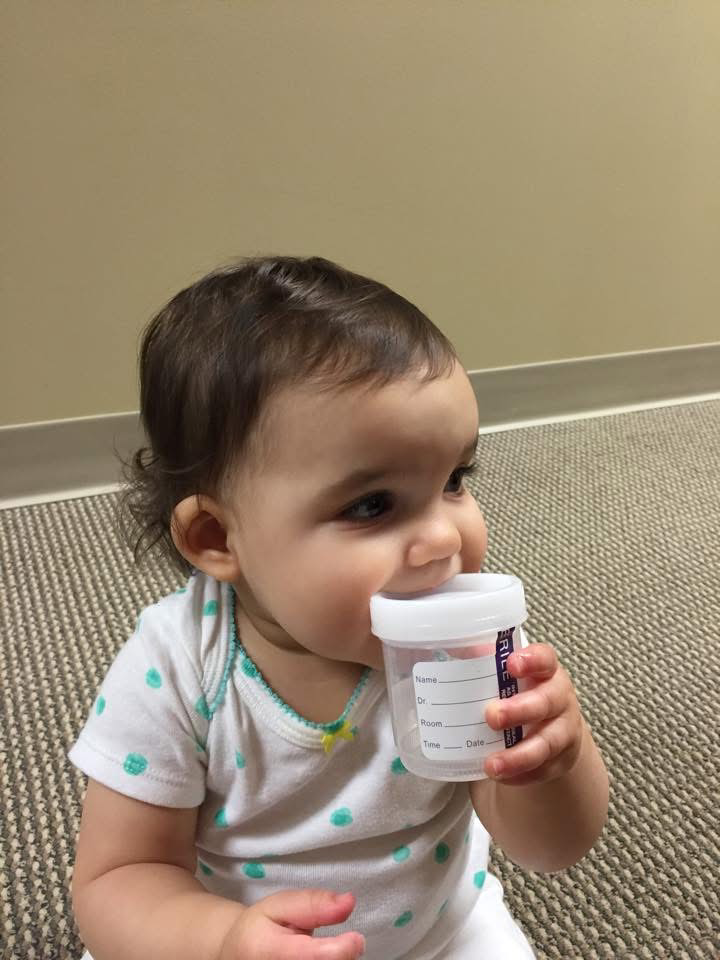
POV: Your dad runs a treatment center for teens and young adults.
It usually happens at the kitchen counter. I’ll see a glass of water sitting just an inch too close to an elbow that’s swinging a little too wildly while they tell a story. I see the trajectory before it happens. I know the glass is going to tip, the homework is going to get soaked, and the afternoon is going to end in frustrated tears.
So, I reach out and move the glass.
In that moment, I’m not the “helpful dad.” I’m the “controlling” one. I’m the one “ruining the fun.” To an 8-year-old, moving a glass of water feels like an overstep. They can’t see the spill; they only see my hand interfering with their space.
The “Swinging Elbows” of Adolescence
As a parent, you develop this instinct the moment your child is born, but it gets a lot heavier when they hit their teens. Suddenly, the “swinging elbows” aren’t at the kitchen counter—they’re on their phone, in the basement, in their peer groups, and in their school folders.
At ASAP Cincinnati, I sit with parents every day who are watching the “glass” start to wobble. They see the trajectory:
- The grades that aren’t just “slipping,” but falling off a cliff.
- The bedroom door that stays locked from 4:00 PM until dinner.
- The way their child won’t look them in the eye anymore—the “hollow” look that replaces the spark they used to have.
- The new “friends” who seem more like accomplices than peers.
And then there is the lying. The constant, exhausting, low-level friction of trying to find the truth in a house full of smoke and mirrors.
The Guilt of the “Overreaction”
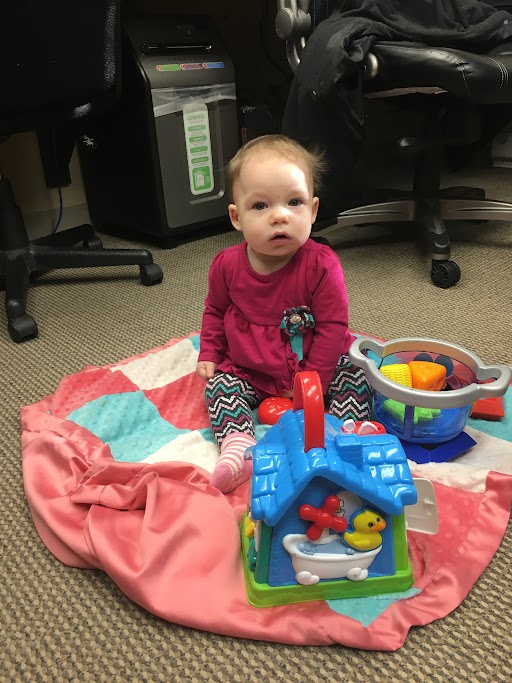
My 8-year-old “working” hard at ASAP.
The hardest part of having this “superpower” is the self-doubt. I hear it from parents constantly: “Am I ruining their life by stepping in? Is this just what kids do nowadays? Maybe cannabis isn’t that big of a deal—everyone says it’s legal/natural/fine.”
There is often a deep, quiet embarrassment in asking for help. It feels like admitting a failure. You worry that by calling a treatment facility, you are officially “making it a thing.”
But here is the clinical reality: Adolescent brain development doesn’t have the luxury of “waiting it out.” The teenage brain is essentially a high-performance engine with no brakes. When you introduce substances or untreated mental health cycles during these formative years, you aren’t just “having a phase”—you’re hard-wiring a GPS that leads to a very difficult adulthood.
The ability to nudge a person back onto their path is exponentially more effective at 16 than it is at 30. Moving the glass now isn’t “ruining” their life; it is preserving the foundation they’ll stand on for the next fifty years.
Welcoming the “Pissed Off” Teenager
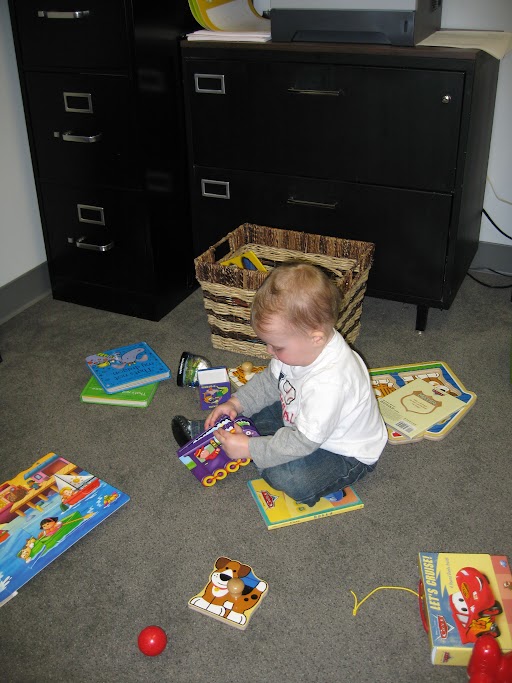
My nephew (now 18) in our first office space.
ASAP is a family-owned and operated practice, a true labor of love that was started by my father. When your family walks through our doors, we don’t see a “case number” or a “diagnosis.” We see an extension of our own community.
And frankly? We are experts in dealing with angry teenagers. We expect the eye-rolls. We expect the silence. We recognize that for a teen, walking into a treatment facility can be one of the scariest things they will ever do. Anger is often a reaction to parents asking for change—especially before a teen has figured out what’s underneath the anger, or has developed any confidence that change is possible. Our job isn’t to “break” them; it’s to validate their experiences and create a structure where they can feel heard and stay safe, while they learn skills that work outside the therapy room. We look for the middle ground where we can acknowledge their challenges while holding the line on their safety.
Effective, family-based support starts with a clear clinical picture: a comprehensive assessment that helps determine what’s driving the behavior (substance use, anxiety, depression, emotion dysregulation—or a combination) and what level of care best fits the challenges your teen or young adult is facing. From there, Care at ASAP can include structured group sessions, individual support, and caregiver involvement, so you’re not trying to manage this alone at home. We can also make recommendations for other levels of care, when those are the right next step.
You aren’t the Villain

My niece, now 13, trying on the boss’s shoes.
If your teen is angry because you’re “interfering,” take a breath. Their reaction doesn’t mean you’re wrong—it often means you touched the part of the problem that matters. You see the spill coming.
Moving the glass isn’t about control. It’s about protection. And if you’re at the point where you’re moving it every day—watching the same patterns repeat, feeling the same dread when they disappear into their room, having the same arguments that go nowhere—it may be time to bring in outside help.
Sometimes the hardest part of parenting a teen or young adult is that you can be right—and still be unable to get traction. They may not be able to hear you because you’re you. That’s where professional support can help: a place where your teen can be honest without losing face, and where you can get guidance without guessing.
You don’t have to wait for a crisis to ask for help. You can start with an assessment, get an evidence-based plan, and take the next right step—one that supports your teen and supports you.



ASAP is Cincinnati's premiere outpatient treatment center for teenagers, young adults, and their families struggling with substance abuse and mental health problems. Our specialized programs include TRIP for adolescents (ages 12-19), PIVOT for young adults (ages 18-26), and Clarity Intensive for those with emotional and behavioral disorders.
SUBSCRIBE
Enter your email address to receive news and information from ASAP.
[sibwp_form id=2]CALL US AT
513.792.1272
OR
Request a call from an ASAP professional
RECENT BLOG POSTS

Back-To-School Tip: Hit STOP
We’ve all witnessed it: that split-second moment where a teenager is faced with a high-stress trigger, and in the blink of an eye, they react.

Back-To-School Substance Risks
As parents, we naturally assume that summer is the high-risk season for substance use.

Managing Back-To-School Stress
If you listen closely in August, you might hear a collective sigh of relief from parents everywhere.
DIRECTIONS
9403 Kenwood Rd. Ste. C-212
Cincinnati, Ohio 45242
TEL 513.792.1272 FAX 513.891.4449
© 2026, ASAP Cincinnati
Certified by:


In affiliation with: